
How Bone Density Testing Helps Prevent Fractures in Adults
As the years go by, our bones change in ways we don’t always notice. The body continues to renew bone tissue, but it does this more slowly with age. That gradual shift can affect how strong the bones are, even when everything feels completely normal on the outside. Because the process is so subtle, many people only realise their bones have weakened after a small fall or awkward movement results in an unexpected break.
Why Bone Density Changes Matter
Bone strength naturally shifts over time. In younger years, the body balances breaking down old bone and forming new bone quite well. Later in life, that balance can slow, leading to a gradual drop in bone density. Because this change doesn’t cause discomfort, most people aren’t aware it’s happening.
What a Bone Density Scan Shows
A BMD scan, often done with a DEXA machine, checks how much mineral is stored in your bones. Higher mineral levels usually mean stronger bones in this case. The scan results include two measurements. One of them compares your bone strength to that of a typical healthy young adult, and the other shows how you compare to people your own age. Together these two measurements give you and your doctor a pretty accurate idea of your overall bone health
Why Lower Bone Density Can Lead to Injuries
When bones lose density, they don’t absorb stress as well as before, so everyday activities like picking something up, missing a step, or twisting unexpectedly can place more pressure on the bone than it’s ready for.
Who Usually Benefits from a BMD Scan
Adults over 50 are often encouraged to check their bone density at least once. Women after menopause, people with a family history of osteoporosis, and those who have had fractures from minor falls, typically elderly adults may benefit even more from a BMD scan. Some medical conditions and certain long-term medications can also influence bone strength.
What the Scan Experience Is Like
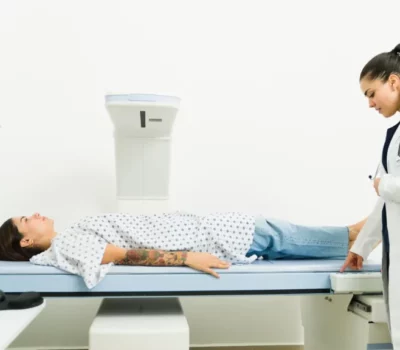
A bone density scan is one of the simplest imaging tests available. You lie on a padded table while a scanner moves gently over the hips and lower spine. No injections, no discomfort, no noise, you simply stay still for a few minutes. The entire visit is usually complete in under ten minutes.
How to Support Your Bone Health After the Scan
Gentle movement goes a long way, things like regular walking, light strength work, or activities that get you steady on your feet can all contribute to keeping your bones active. Eating in a way that supports overall wellness also helps, especially when it includes foods naturally rich in minerals.
People often take a moment to reflect on different parts of their daily routine after learning more about their bone density. Everyone handles this in their own way of course, and there’s no single approach that fits everyone.
The scan simply gives people more information to think about, and they decide what to do with it in a way that feels right to them.
Book Your BMD Scan at MBRI
If you’d like a clearer picture of your current bone strength, MBRI offers Bone Mineral Density scans carried out with modern equipment in a calm, supportive environment. The team takes the time to explain the process in a straightforward way, making the experience comfortable from start to finish. Booking a scan is a simple step toward understanding your bone health and planning with confidence.