
What Your Scan Does After You Leave the Imaging Centre
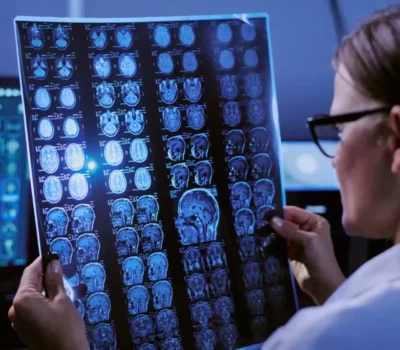
A lot of people leave thinking the hard part is finished, and for the most part it is. You change, step outside, and the scan room is already behind you.
Then, somewhere between the car park and your next stop, the questions start showing up. Who actually looks at the scan? When does my doctor see it? What happens if something looks different than expected?
What Happens Once You’re Gone
After your scan, the actual images themselves don’t just land in someone’s inbox and sit there. They get sent through a system to a radiologist, which is the person whose job is to really sit with them and go through them properly.
They don’t see one picture, rather they see a whole set. Different angles, different layers, different ways of looking at the same area. The first thing they usually check is whether everything came through clearly. If something looks off or didn’t capture what it was meant to, that gets picked up early too.
From there, it turns into more of a slow comparison than a quick decision. They look at what stands out. They look at what blends in, and if you’ve had scans before, they often pull those up too, just to see what’s stayed the same and what’s changed over time.
It’s not fast, but it’s not meant to be.
How This Feels Different Depending on the Scan
CT scans
With a CT scan, the images come through almost like slices stacked together. The radiologist moves through them bit by bit, building a picture from the inside out. Sometimes they notice small things that weren’t part of the original reason for the scan. Most of the time, those aren’t a big deal, but they still get written down so nothing gets missed.
MRIs
MRIs usually take a bit more going over. The same area often gets looked at a couple of times, just from different angles. Part of the job is making sure what shows up on the screen is actually something in your body and not just the result of movement or the way the image was taken.
Mammograms
Mammograms usually get looked at and times compared to older ones. The focus there isn’t just on what today’s picture looks like, but how it compares to last time. Even small shifts can stand out when you have something to line it up against.
X-Rays
X-rays often move through the system quicker, but the process is still careful. The radiologist checks the area your doctor was interested in. Removed the rest of this sentence
How Your Scan Gets Back to You
In most cases, the report goes straight to your doctor. That’s the person who knows why the scan was ordered in the first place after all, and how it fits into what you’ve been dealing with.
Some people can see the report themselves, but most of the time it doesn’t really land until a doctor walks you through it. Reading a few lines on a screen is very different from hearing what it actually means for you from your doctor.
The Part That Feels the Longest
For a lot of people, the waiting is the hardest bit. The scan is done, but nothing feels finished yet.
Some places are very good at getting you in and out, but fewer still are good at explaining what happens after you leave. That’s the part that can make the whole thing feel either calm or quietly stressful.
Where You Choose to Have Your Scan
By the time you walk out, most people are done with the hard part. What usually sticks with them after that is how the whole experience felt.
At MBRI, a lot of attention goes into the small, human side of the visit. The way you’re greeted. How clearly things are explained. How long you’re left waiting. Whether someone checks in when you look unsure instead of just pointing you down a hallway.
If you’re booking a CT, MRI, mammogram, or X-ray and want a place that treats the appointment as a person coming through the door, not just a scan on a schedule, reaching out to MBRI through our contact page is a simple way to start.