
MRI for Back Pain: When Imaging Is Needed
Back pain is something almost everyone runs into at some point, it might start after lifting something awkwardly, after a long drive, or even from sitting too long during the day.
Most back pain settles down on its own, give it a few days, take things a little easier than usual, move carefully, maybe add some light stretching or physio, and it often improves.
That’s why doctors usually don’t jump straight to scans when someone first walks in with back pain, and in many cases, the body simply sorts itself out with a bit of time.
But sometimes the pain refuses to ease up, and other times it starts travelling down the leg or comes with things like numbness or weakness that weren’t there before. When that starts happening, doctors usually want a better look at what’s actually going on inside the spine. That’s where MRI begins to make sense.
Why MRI Is Helpful for Back Pain
The spine isn’t just a stack of bones, between those bones are small discs that act like cushions, along with nerves, ligaments, and the spinal cord itself. A lot of ongoing back pain actually comes from problems in these areas rather than the bones themselves.
This is exactly where MRI helps.
With MRI, doctors can see the discs and nerves inside the spine far more clearly, and when a disc has moved slightly or started pressing on a nerve that pressure usually appears on the images. The scan can also reveal narrowing around the spinal canal or irritation near the nerves, things that sometimes explain why back pain hasn’t settled with rest or basic treatment.
When Doctors Start Considering Imaging
Pain travelling down the leg is one of the more common reasons imaging is considered. Many people describe it as sharp or burning pain running from the lower back into the leg, which can potentially point to irritation of a spinal nerve.
What the MRI Scan Is Actually Like
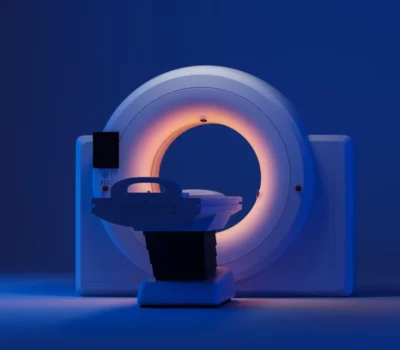
For many people, the simple truth is the MRI itself sounds more intimidating than it really is. The good news here is the MRI process is quite simple. You lie on a padded table that moves slowly into the scanner while the images are taken. The machine makes a series of knocking or humming sounds as it runs.
That noise can be surprising the first time, but it’s completely normal.
The scan itself is painless, and the main thing patients are asked to do is remain still while the images are captured. Most MRI scans of the spine take somewhere around 30 to 45 minutes.
Getting a Better Look at the Spine
Back pain can come from many different causes, and sometimes symptoms alone don’t tell the whole story. That’s where MRI becomes valuable, as it allows doctors to look directly at the discs, nerves, and other structures inside the spine.
In many cases, that clearer picture makes it much easier to understand what’s causing the pain and identify what the next step in treatment should be. For patients who have been dealing with back pain for weeks, simply having answers can already make the situation feel a lot less uncertain.
Considering an MRI Scan?
If your doctor has recommended an MRI for ongoing back pain, MBRI provides detailed imaging to help identify issues affecting the spine, including disc problems or nerve pressure.
If you’d like more information or would like to schedule an MRI, reach out to the team at MBRI, we will be happy to assist and guide you through the process!