
Bone Density Testing for Older Adults
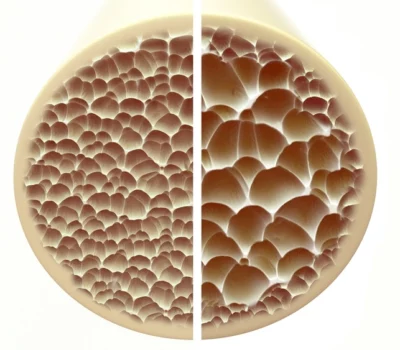
Most people do not spend much time thinking about bone density until a doctor brings it up, usually after a fall, ongoing pain, or a fracture that seemed a bit more severe than it should have been.
The strange thing about bone loss is that it usually happens very quietly in the background. You do not really feel your bones getting weaker day by day, so for a lot of people the signs only become obvious much later on.
That is exactly why bone density testing becomes more common as people get older. Doctors use the scan to get a better idea of how strong the bones still are and whether there may be a higher risk of fractures or osteoporosis developing over time.
In many cases, the scan is simply precautionary, because sometimes doctors just want to check bone health properly before small problems turn into bigger ones later on.
What Exactly Is a Bone Density Test?
A bone density test, sometimes called a bone mineral density scan, is used to measure how dense and strong certain bones are.
The scan itself usually focuses on areas like the hips and spine, because those are some of the places most affected by osteoporosis-related fractures as people get older.
The process itself is actually very simple, you normally lie down while the scanner takes measurements from specific areas of the body. It is non-invasive, painless, and usually finished fairly quickly.
Why Bone Density Changes with Age
The thing is as we get older, our bones naturally start losing their density over time. That part is normal and natural to some extent for most of the population as we age, but for some people that loss of bone density actually happens much faster than expected, which can increase the chances of fractures later on.
One of the reasons osteoporosis catches people so off guard is because there are usually no really obvious symptoms early on. The problem for detection is that somebody can feel completely healthy while bone density is quietly decreasing in the background.
When this happens slowly its often quite difficult for people to pick up on that change themselves, mainly because they genuinely don’t notice the incremental change till they take a slight fall and realise “I probably shouldn’t have picked up an injury from this minor tumble”
This becomes more important later in life because recovery from fractures often also gets harder and slower with age, especially when injuries involve areas like the hips or spine.
A lot of people associate osteoporosis mostly with older women, particularly after menopause, and while women are definitely at higher risk, men can develop low bone density too. Things like smoking, certain medications, medical conditions, low body weight, and family history can all play a role as well.
What Ages Have the Highest Risk?
A medical study found that the most rapid loss of bone density happens at the age of 74 – 79 for men, while women experience the same peak bone density loss period a little earlier in life at the ages of 65 – 69.
Now is that a little unfair? Yes, but the good news here is there are ways to reduce your fracture risk and at least slow the rate of bone density loss.
For both genders one of the main things people are often recommended is exercise specifically weight bearing exercises. Some sources like the NHI suggest 2:30 hours per week.
That sounds like a lot we get it, however broken up over a week that’s about 20 minutes per day, which you can break up even further into two 10-minute sessions twice a day if you need to slow things down even more.
But its important to note each person is different and your doctor will give you the final word on what to do and how to take care of your bone health.
When Do Doctors Usually Recommend Bone Density Testing?
Sometimes doctors recommend the scan simply because of age or general risk factors, while other times there is a specific reason, they want to check bone health more closely.
For example, somebody who has already had a fracture after a relatively small fall may be referred for testing to see whether weakened bones could have contributed to the injury.
Other people may be sent for testing because of long-term steroid use, a family history of osteoporosis, or medical conditions that can affect bone strength over time.
In some situations, the scan is also used to monitor bone health after treatment has already started.
What Happens After the Scan?
Once the scan is done, the results are reviewed to see whether bone density falls within a healthy range or whether there are signs of bone loss developing.
If lower bone density is picked up, the next steps depend on the situation. Some people may only need lifestyle adjustments or monitoring, while others may require medication, supplements, exercise recommendations, or further follow-up.
One of the biggest advantages of bone density testing is simply catching problems earlier. It gives doctors the chance to step in before weakened bones lead to more serious fractures later on.
Where Can You Book a Bone Density Scan in South Africa?
If you have been referred for bone density testing, or you simply want to learn more about your bone health as you get older, MBRI offers bone mineral density scans performed by experienced imaging professionals.
Whether the goal is to investigate possible osteoporosis, monitor your bone health over time, or simply get a clearer understanding of your personal fracture risk, having the scan done early can make a meaningful difference later on!